Plugging In to the Network: Why Some Solana Fans Are Running Validators From Their Spare Bedrooms
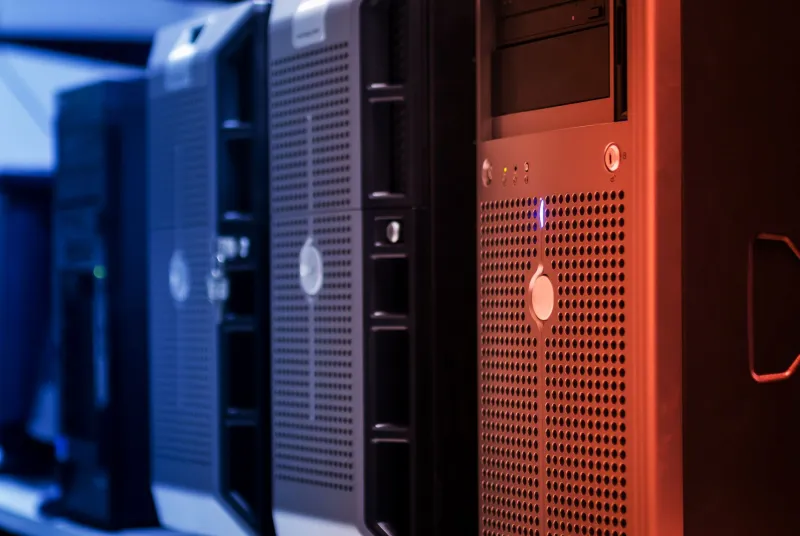
There's a server humming in a spare bedroom in suburban Ohio. It's not mining Bitcoin. It's not running a gaming rig. It belongs to Marcus, a 34-year-old IT network engineer who decided last year that simply delegating his SOL to a big staking pool wasn't enough — he wanted to be part of the network, not just a passenger on it.
"I kept reading about how a handful of validators control a massive chunk of the stake on Solana," Marcus told us over a community Discord call. "It bothered me. I had the skills to do something about it, so I did."
Marcus isn't alone. Across crypto forums, Solana-focused Discords, and local meetups from Austin to Pittsburgh, a quiet but determined movement is taking shape: everyday Americans are setting up solo validator operations, accepting the headaches and hardware bills that come with it, and pushing back against what they see as dangerous centralization in one of crypto's fastest networks.
What Does It Actually Cost to Run a Solana Validator?
Let's not sugarcoat it — running a Solana validator is not a casual weekend project. The network's high throughput demands serious hardware. The recommended specs as of 2025 include a modern high-core-count CPU (think AMD EPYC or similar), at least 256GB of RAM, NVMe SSDs in the multi-terabyte range, and a fiber internet connection with low latency and high bandwidth. When you start pricing that out, you're looking at anywhere from $5,000 to $15,000 in upfront hardware costs for a competitive home setup, plus ongoing electricity bills that can run $100–$300 a month depending on where you live.
Then there's the vote account. Validators on Solana pay transaction fees to submit votes on the blockchain — this is a real, ongoing cost that can run 1–2 SOL per day depending on network conditions. That's not pocket change.
Compare that to simple delegation: you pick a validator from the Solana explorer, click stake, and start earning somewhere in the 6–8% APY range depending on the validator's commission and performance. No hardware. No late-night debugging sessions. No sweating over uptime metrics.
So why are people like Marcus choosing the hard road?
The Decentralization Argument — And Why It Resonates
Solana has faced some fair criticism over the years about validator concentration. A relatively small number of large staking services — some run by exchanges, some by well-funded infrastructure companies — hold an outsized portion of delegated stake. Critics argue this creates single points of failure and undermines the censorship-resistance that blockchain is supposed to guarantee.
For a certain type of crypto enthusiast, that's not an abstract concern. It's a call to action.
"Delegation is fine, but when you delegate to a mega-staker, you're basically trusting them to act in the network's best interest," said Priya, a software developer in the Pacific Northwest who launched her validator node eight months ago. "Running your own node means your vote is your own. That matters to me philosophically."
This philosophical dimension is genuinely driving decisions. In community discussions on platforms like the Solana subreddit and various validator-focused Telegram groups, you'll find long threads debating the Nakamoto coefficient — a measure of how many entities would need to collude to compromise a network — and what individual validators can do to improve it.
The Learning Curve Is Real (But Manageable)
Setting up a Solana validator involves working with Linux command-line tools, configuring the Solana CLI, managing key pairs securely, monitoring system resources, and staying on top of software updates that can affect your performance score. It's not beginner territory.
But the community has done a lot of work to lower the barrier. Resources like the Solana validator documentation, the Solana Tech Discord, and community-written guides have made the process more accessible than it was two or three years ago. Several home validators we spoke with mentioned that their first successful epoch felt like finishing a marathon.
"The first week I was constantly checking my logs," laughed Derek, a former data center technician in Tennessee who built his validator rig using refurbished server parts to cut costs. "Now it's just part of the routine. I check in once a day, make sure everything's healthy, and go about my life."
Derek estimates his break-even timeline — factoring in hardware, electricity, and vote costs against staking rewards — is somewhere around 18 to 24 months, assuming he attracts a modest amount of delegated stake from community members who prefer supporting smaller operators.
Delegation vs. Solo Validation: A Practical Breakdown
Here's a simplified way to think about the trade-offs:
Delegation:
- Zero hardware cost
- Passive income, roughly 6–8% APY
- You trust someone else's infrastructure
- Your stake contributes to existing power concentration
- Takes about five minutes to set up
Solo Validation:
- $5,000–$15,000+ upfront
- $100–$400/month in ongoing costs
- Full control over your vote
- Contributes to network decentralization
- Requires ongoing technical maintenance
- Potential to earn validator commission on delegated stake from others
The math only works in your favor as a solo validator if you can attract meaningful outside delegation — or if you hold enough SOL yourself that the commission savings and reward structure outpace your costs. Most home validators are honest about the fact that this isn't a get-rich-quick play. It's a long-term bet on the value of decentralization, combined with genuine technical interest.
What the Community Is Saying
In Solana community spaces, the response to home validators is largely positive — though realistic. Experienced validators often warn newcomers about the risks of poor uptime dragging down their performance scores, which directly affects rewards. Missed votes mean lost income, and a validator with spotty uptime will struggle to attract delegation.
But there's also genuine encouragement. Initiatives within the Solana ecosystem to reward smaller validators and improve stake distribution have gained traction, and some community-driven staking tools now specifically highlight independent validators to help delegators make more decentralization-conscious choices.
"I tell people: if you have the technical skills and you believe in what Solana is trying to be, seriously consider running a node," Priya said. "If you don't have the skills or the capital, at least be thoughtful about who you delegate to. Pick a smaller, independent validator instead of just defaulting to a giant pool."
The Bigger Picture
What Marcus, Priya, Derek, and others like them represent isn't just a niche technical hobby. It's a signal about what crypto's most engaged participants actually want: networks where the power is distributed, where individuals have meaningful roles, and where the ideals written in whitepapers show up in practice.
Solana's speed and low fees make it one of the most compelling blockchains in the ecosystem right now. But speed without decentralization is just a fast database. The home validators plugging in their servers, paying their electricity bills, and sweating through software updates are, in their own way, making a bet that the network's long-term value depends on people like them showing up.
Whether that bet pays off financially is still an open question. But for a growing slice of the Solana community, that might not be the only thing that matters.